

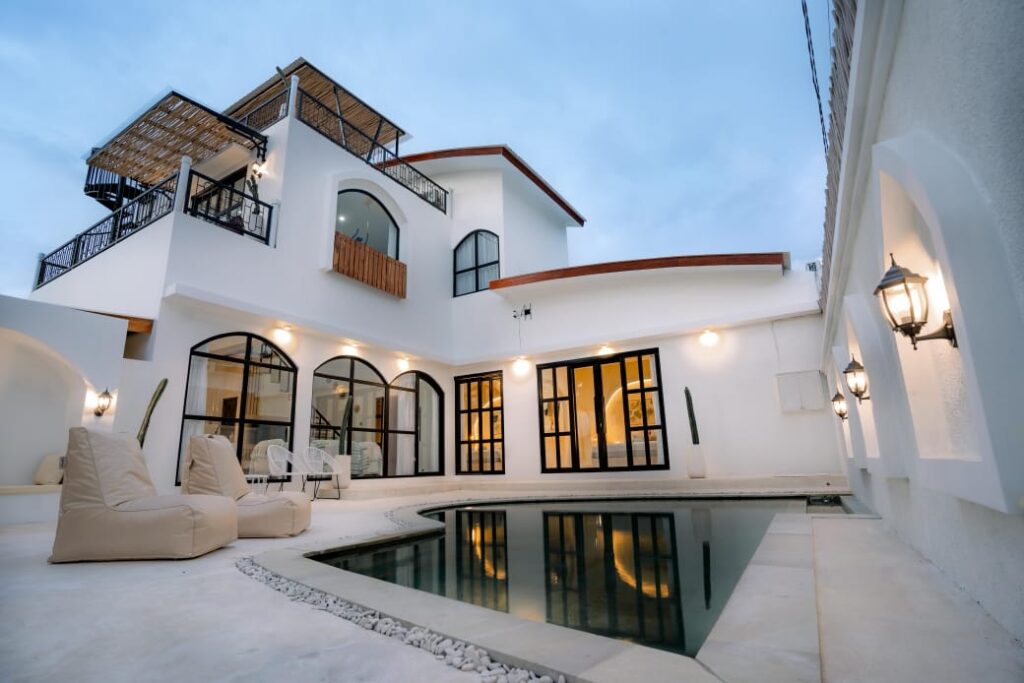
How to Invest in a Property in Bali: A Step-by-Step Guide in 2026
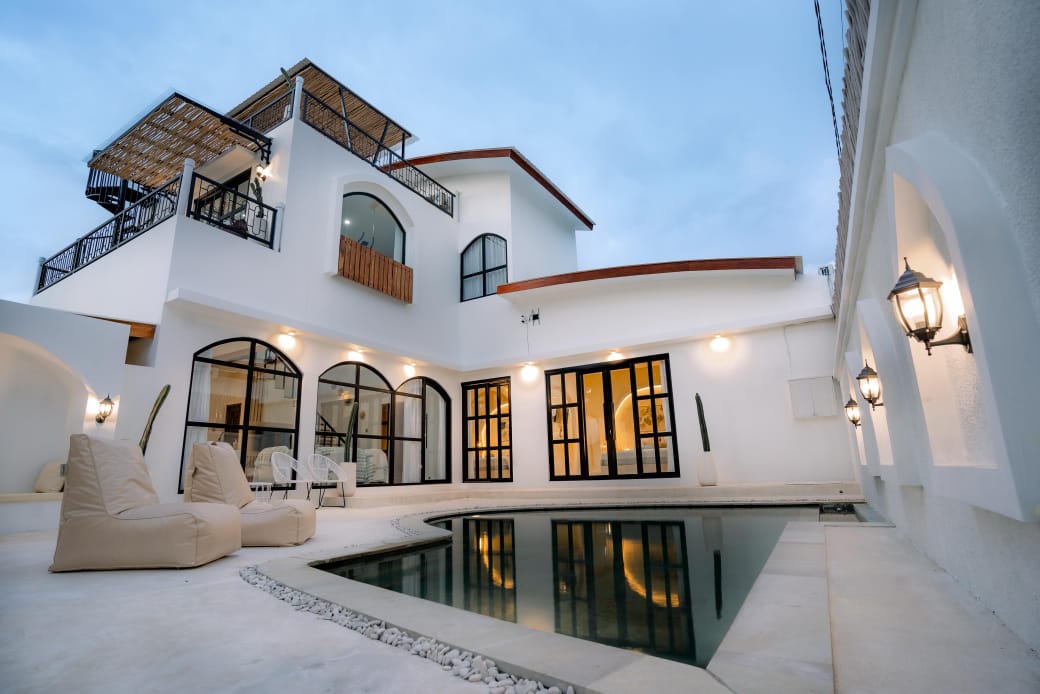
Discover how to invest in Bali property in 2026 with a data-driven strategy built for long-term returns. From legal structures to high-growth areas and villa performance, learn how top investors approach Bali real estate with guidance from one of the island’s leading property management and investment experts.
Bali investment property in 2026 is no longer just about owning a beautiful villa, it’s about owning a performing asset. Investors today are looking beyond aesthetics and focusing on rental demand, occupancy stability, legal structure, maintenance costs, and long-term resale value.
Bali remains one of the most attractive real estate markets in Southeast Asia, but the landscape has changed. Competition has increased significantly, meaning success now depends on choosing, structuring, and operating investments correctly.
Buying property in Bali is no longer a lifestyle-first decision. It is a strategic investment decision driven by data, positioning, and execution.
Why Invest in Bali Property in 2026?
Tourism demand remains strong, with international arrivals projected at 6.6–7 million visitors in 2026. A major shift is the rise of long-stay tourism driven by digital nomads and remote workers, increasing demand for well-managed villas.
Tourism is expanding beyond traditional hotspots. While South Bali remains dominant, North and West Bali are emerging growth zones creating new opportunities.
Lifestyle appeal continues to drive demand. Remote worker visa policies and wellness tourism growth are strengthening long-term rental fundamentals.
The market has matured post-pandemic. Professionally managed villas with strong pricing strategy and guest experience consistently outperform under-managed assets.
Is Bali Property Investment Still a Good Investment?
Bali property still performs well when approached strategically. Luxury villas, especially 5+ bedroom estates, remain one of the strongest segments due to limited supply and premium pricing power.
Emerging areas like Uluwatu and Seseh offer stronger upside potential compared to saturated zones such as Canggu.
However, poorly managed leasehold properties and generic 1–3 bedroom villas face heavy competition and reduced profitability due to oversupply.
This market suits long-term investors, remote professionals, and diversification-focused buyers. It is not a short-term flip market.
How to Invest in Bali Property (Step-by-Step)
1. Set your strategy: Define whether the goal is income, growth, personal use, or hybrid.
2. Choose structure: Leasehold (most common), Freehold (limited), PT PMA (foreign entity option).
3. Pick market: Evaluate demand, competition, pricing, and future infrastructure growth.
4. Underwrite deal: Analyze occupancy, revenue, fees, taxes, and downside scenarios.
5. Execute: Focus on furnishing, pricing, marketing, compliance, and operations.
Best Investment Strategies in Bali
Yield strategy focuses on luxury villas with high nightly rates and optimized occupancy.
Growth strategy targets off-plan developments in emerging areas for capital appreciation.
Hybrid strategy balances income and liquidity through mid-sized 2–3 bedroom villas.
Where to Invest in Bali Property in 2026
Canggu and Seminyak remain high demand but increasingly saturated.
Uluwatu and Bukit are the strongest growth areas for luxury positioning and yield.
Ubud remains stable, while North Bali and Sanur are emerging long-term markets.
Best Property Types for Investment
- Luxury villas (5+ bedrooms perform best)
- Apartment developments (high competition segment)
- Off-plan projects (20–25% upside potential)
- Land in growth zones like Uluwatu (long-term appreciation)
What to Check Before Investing
- Zoning regulations (tourism, residential, restricted)
- Legal permits (PBG, SLF compliance)
- Market pricing benchmarks
- Exit strategy and resale potential
Cost of Investing in Bali Property
Entry costs include land price, acquisition tax, and legal fees. Operating costs include management fees, maintenance, and taxes. Hidden costs include renovation reserves, infrastructure setup, and lease extensions.
Common Mistakes Investors Make
- Buying based on hype instead of data
- Overestimating ROI projections
- Ignoring professional property management
- Using illegal ownership structures
How Millovia Bali Helps
Millovia supports investors end-to-end, from acquisition to optimization. The focus is on under-supplied villa segments, data-driven pricing, legal compliance, and operational performance to ensure assets perform consistently.
Final Checklist Before Investing
Market: growth potential and saturation level. Asset: differentiation and positioning. Strategy: realistic projections and clear exit plan.
Final Thought
The Bali property market in 2026 is driven by fundamentals rather than hype. Success depends on quality assets, strong positioning, and professional execution.
Bali remains a strong tourism-driven property market, but performance now belongs to investors who treat it as a structured business.
How to Invest in a Property in Bali
Understanding How to Invest in a Property in Bali has become increasingly important for international investors, digital nomads, and buyers looking to enter Bali’s growing real estate market. From luxury villas and leasehold developments to land investments and hospitality projects, Bali offers a wide range of opportunities across Canggu, Uluwatu, Seminyak, Ubud, and emerging growth areas.
Many investors researching How to Invest in a Property in Bali focus on tourism demand, occupancy rates, infrastructure growth, and long-term rental performance before purchasing a property. Bali continues to attract millions of international visitors every year, creating strong demand for private villas, luxury accommodations, and professionally managed rental properties.
A complete strategy for How to Invest in a Property in Bali should include understanding leasehold structures, zoning regulations, legal permits, operational licensing, and property management systems. Foreign investors often choose leasehold villas because they provide long-term control with lower upfront costs compared to freehold ownership structures.
Investors learning How to Invest in a Property in Bali frequently target high-demand locations near beaches, cafés, beach clubs, coworking spaces, and tourism hubs. Well-positioned villas with strong branding, modern design, and professional operations often achieve stronger occupancy and long-term investment performance.
Whether you are purchasing a luxury villa, developing a hospitality project, or building a rental income portfolio, understanding How to Invest in a Property in Bali can help buyers reduce risks, improve returns, and secure long-term opportunities in one of Southeast Asia’s fastest-growing property markets.
Explore High-Performance Bali Investment Villas
Discover curated villa investments in Canggu, Uluwatu, Ubud, and emerging Bali growth zones backed by real market data and professional management systems.
Explore Bali Villas For Sale Schedule a Visit Explore Bali Estate Investment Opportunities Book a Free Consultation Visit Millovia