

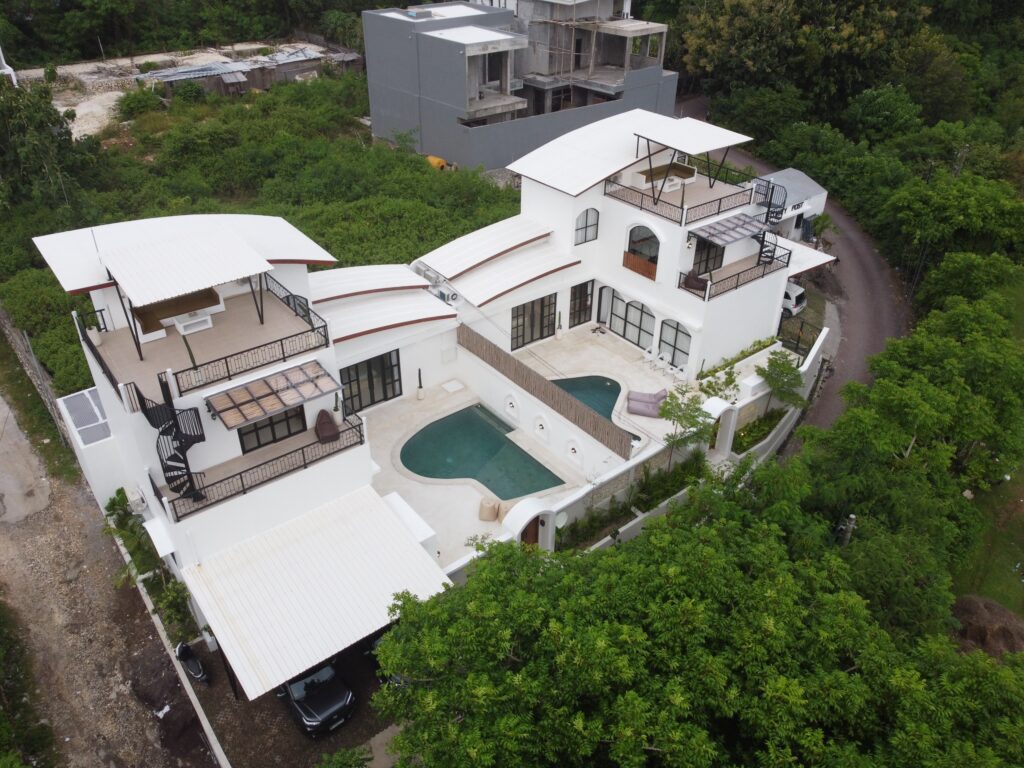
Bali Property Market: Trends, Opportunities, and Investment Insights for 2026
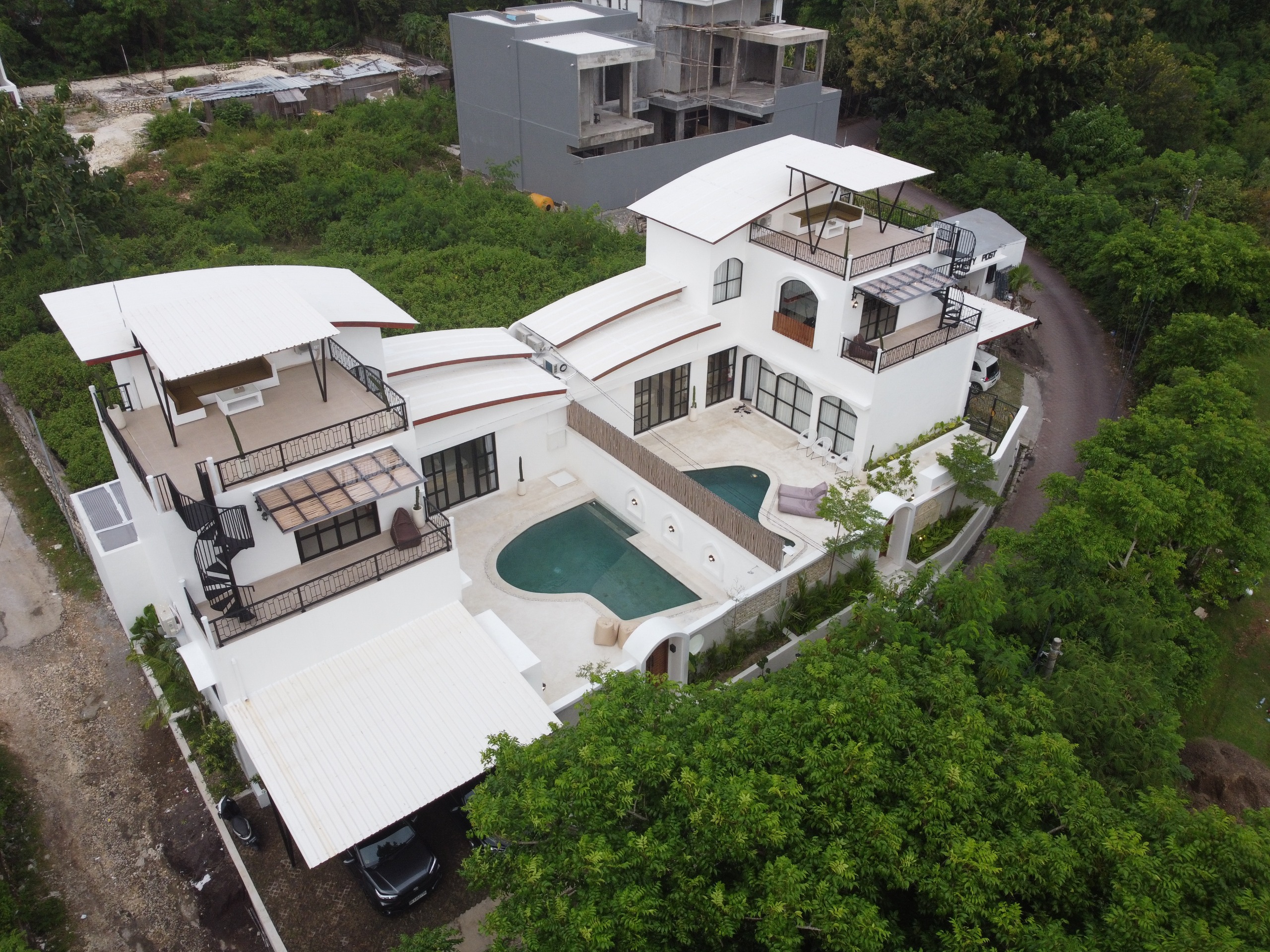
The Bali Property Market continues to evolve into one of the most attractive real estate investment destinations in Southeast Asia. Driven by strong tourism growth, international demand, infrastructure development, and the rise of remote work culture, Bali remains a top choice for investors seeking both lifestyle and financial returns.
From luxury beachfront villas in Seminyak to high-yield rental properties in Canggu and emerging investment zones such as Pererenan, Seseh, and Uluwatu, the Bali Property Market offers opportunities across multiple segments and price points. Investors are increasingly targeting professionally managed villas, boutique hospitality assets, and land banking opportunities as Bali’s market matures into a globally recognized investment ecosystem.
Compared to saturated global property markets, Bali still presents competitive entry pricing alongside strong rental yields and long-term appreciation potential. This combination continues attracting international buyers, digital entrepreneurs, hospitality operators, and high-net-worth individuals looking for diversified real estate exposure.
For broader real estate investment insights and international market analysis, explore Investopedia Real Estate Investing Guide and global development research from World Bank Urban Development Insights.
Why the Bali Property Market Continues to Grow
The strength of the Bali Property Market is closely connected to Bali’s tourism-driven economy and international appeal. Millions of visitors continue traveling to Bali every year for leisure, wellness, surfing, business, and long-term stays, creating continuous demand for accommodations and premium residential properties.
In addition to tourism, Bali’s growing digital nomad community and expanding expatriate population have strengthened long-term rental demand. Areas offering modern infrastructure, coworking facilities, wellness amenities, and luxury lifestyle experiences continue outperforming many traditional resort destinations.
Government infrastructure projects, improved road connectivity, and international investment interest are also accelerating development across emerging coastal regions, pushing new growth corridors beyond traditional hotspots.
Top Areas Driving the Bali Property Market
- Canggu: One of the strongest-performing markets for villa rentals, digital nomad accommodations, and modern lifestyle properties.
- Seminyak: Bali’s established luxury district known for premium villas, nightlife, restaurants, and long-term capital appreciation.
- Uluwatu & Bingin: Fast-growing luxury destinations attracting investors seeking ocean-view villas and upscale tourism assets.
- Pererenan: A premium emerging market offering lower congestion, upscale development, and strong rental demand.
- Seseh & Cemagi: Quiet luxury markets attracting land investors and buyers focused on future appreciation potential.
- Sanur: A stable residential and tourism market benefiting from family-oriented infrastructure and medical tourism expansion.
Villa Investment Trends in the Bali Property Market
The Bali Property Market has shifted significantly toward professionally managed vacation rentals and branded lifestyle properties. Investors are prioritizing villas that combine strong architectural identity, wellness-oriented design, and hospitality-ready operational systems.
Features such as private gyms, saunas, rooftop lounges, open-plan tropical living, smart-home systems, and eco-conscious construction are becoming standard expectations in the premium market.
Eco-luxury villas and boutique hospitality concepts continue outperforming traditional rental properties due to rising demand from luxury travelers and long-stay international guests.
Rental Yields and ROI Potential
One of the main reasons investors are entering the Bali Property Market is the island’s strong rental yield potential. Professionally managed villas in prime tourism areas can generate estimated net annual yields ranging from 8% to 15%, depending on location, management quality, and property positioning.
High occupancy rates are supported by Bali’s year-round tourism market, diversified visitor demographics, and increasing demand for private accommodations over traditional hotels.
Emerging areas such as Kedungu, Nyanyi, and Pererenan also present strong capital appreciation opportunities as infrastructure development continues expanding westward and northward.
Legal Structures for Foreign Investors
Foreign participation in the Bali Property Market typically occurs through leasehold agreements, Hak Pakai ownership rights, or PT PMA corporate structures. Each model offers different levels of operational flexibility, legal control, and investment scalability.
Leasehold remains the most common entry structure for international investors due to lower capital requirements and simpler acquisition processes. Larger investors operating commercial portfolios often prefer PT PMA structures for long-term operational control.
The Importance of Professional Guidance
Navigating the Bali Property Market requires detailed knowledge of zoning regulations, ownership structures, due diligence processes, and operational management. Successful investments depend not only on location selection but also on legal compliance and market positioning.
Working with experienced local real estate professionals helps investors secure verified opportunities, reduce legal risks, and maximize both rental performance and long-term appreciation potential.
Explore Opportunities in the Bali Property Market
Discover luxury villas, investment properties, land opportunities, and high-performing rental assets across Bali’s fastest-growing real estate markets with expert local guidance and strategic investment support.
Schedule a Visit Explore Bali Estate Investment Opportunities