


Bali Property Ownership for Foreigners: The Complete Legal Guide (2026)
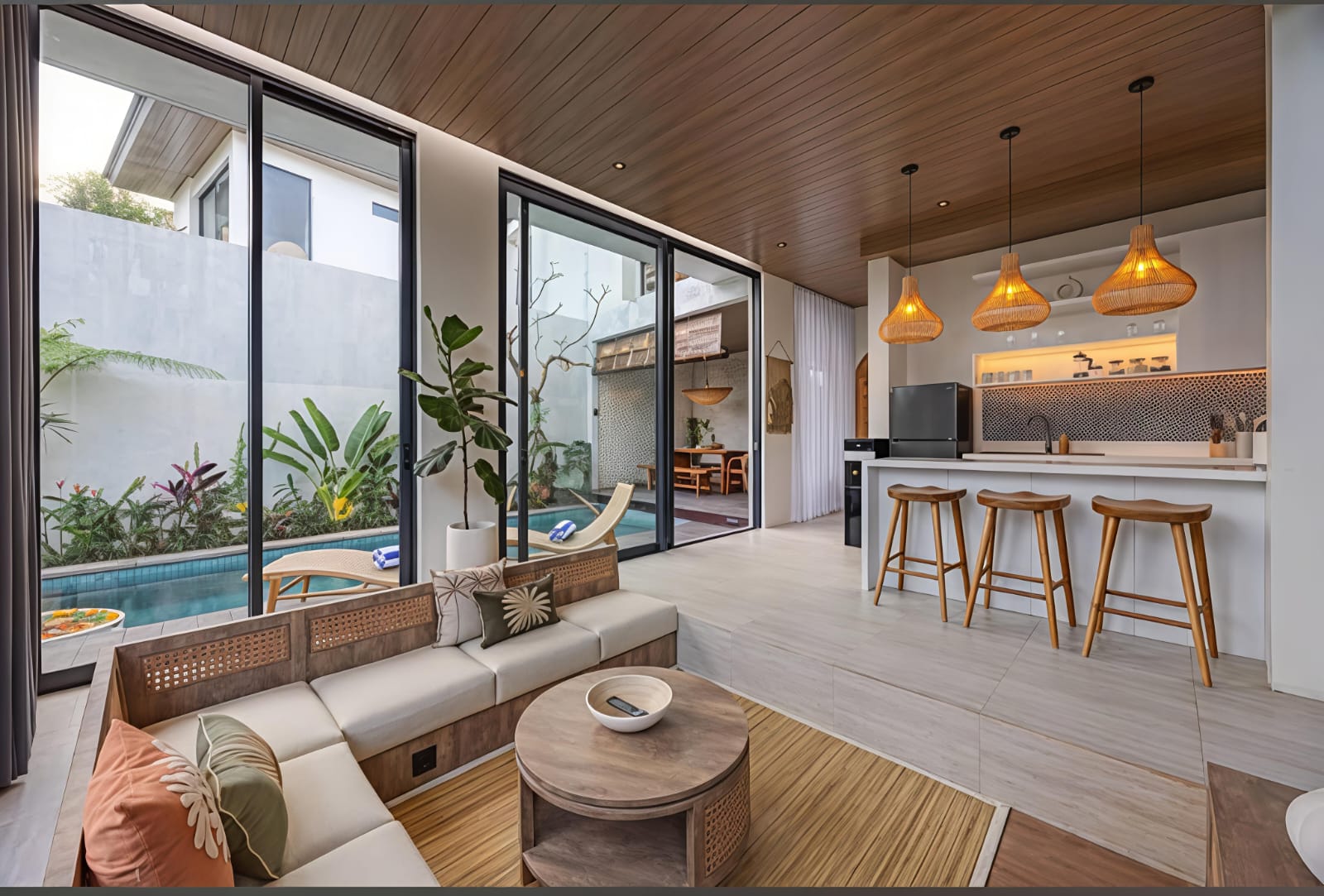
Bali Property Ownership for Foreigners has evolved into a structured, highly regulated framework designed to support international investment while maintaining national land sovereignty. In 2026, investors entering Bali’s real estate market must rely on compliant legal structures rather than informal arrangements, especially in high-demand zones such as Uluwatu, Pererenan, Canggu, and Seminyak.
Understanding Bali Property Ownership for Foreigners is no longer optional—it is the foundation of any secure investment strategy. Whether building a long-term rental portfolio or securing a private residence, selecting the correct ownership structure determines legal protection, tax exposure, operational flexibility, and asset liquidity.
For global context on property rights and investment frameworks, refer to Investopedia Real Estate Overview and regulatory development insights from World Bank Financial Sector Insights.
The Legal Foundation of Property Ownership for Foreigners in Bali
Indonesian law (UUPA No. 5/1960) reserves Hak Milik (Freehold) exclusively for Indonesian citizens. However, Bali Property Ownership for Foreigners is legally facilitated through three primary structures that provide secure and recognized pathways for investment and residence.
1. PT PMA & Hak Guna Bangunan (HGB) – The Gold Standard
The most robust structure for serious investors is establishing a PT PMA (Foreign Investment Company). In this model, the company holds the Hak Guna Bangunan (Right to Build) title, which provides strong legal control over property assets.
Within Bali Property Ownership for Foreigners, this structure is widely considered the “investment-grade” solution for commercial operations, villa rentals, and multi-property portfolios due to its scalability and legal strength.
Duration: Up to 80 years total (initial 30 + extension 20 + renewal 30)
Best For: Rental businesses, commercial villas, portfolio investors
2026 Update: BKPM Regulation 5/2025 sets minimum capital at IDR 2.5 billion (~$150,000), improving accessibility for qualified investors.
2. Hak Pakai (Right to Use) – The Residency-Based Path
Hak Pakai allows foreign residents with valid KITAS or KITAP permits to legally hold property under their name. This option supports personal ownership without requiring a corporate structure.
As part of Bali Property Ownership for Foreigners, this structure is best suited for long-term residential use, retirement planning, or private holiday homes.
Duration: Up to 80 years total
Best For: Residential villas, long-term stays, retirees
Restriction: Not intended for short-term rental commercial operations.
3. Hak Sewa (Leasehold) – The Flexible Entry Strategy
Leasehold remains the most widely used structure within Bali Property Ownership for Foreigners due to its simplicity and accessibility. Investors secure usage rights through a notarized agreement with the freehold owner.
This model is ideal for investors prioritizing speed of entry, lower capital requirements, and flexibility in exit strategy.
Duration: Typically 25–30 years with extension options
Best For: Lifestyle buyers, entry-level investors, short- to mid-term ROI strategies
Critical Legal Risks in 2026
Nominee Structures
Nominee arrangements are illegal and unenforceable under Indonesian law. Within the framework of Bali Property Ownership for Foreigners, enforcement has tightened significantly, eliminating informal ownership risks.
Zoning Compliance (KKPR)
All properties must comply with Spatial Usage Confirmation (KKPR). Violating zoning regulations—especially in agricultural zones—can lead to demolition orders and loss of investment capital.
Certificate Validity
As of 2026, only registered BPN-issued certificates are legally valid. Legacy documents such as Girik no longer provide enforceable ownership rights.
Strategic Decision Framework
Choosing the right structure for Bali Property Ownership for Foreigners depends on investment goals, residency status, and operational intent. PT PMA suits commercial investors, Hak Pakai suits long-term residents, and leasehold suits flexible lifestyle and entry-level investors.
Location also plays a critical role—Uluwatu supports long-term luxury holdings, Canggu drives high-yield rental performance, and Pererenan offers emerging capital growth opportunities.
Why Professional Guidance Matters
Proper execution of Bali Property Ownership for Foreigners requires legal verification, zoning validation, and transaction structuring. Expert advisory ensures compliance with Indonesian regulations, protects capital, and optimizes investment outcomes across acquisition and operational phases.
Secure Your Bali Property Ownership Structure
Get expert legal and investment guidance tailored to foreign buyers in Bali. Ensure full compliance, secure ownership, and choose the right structure for your long-term investment strategy.