
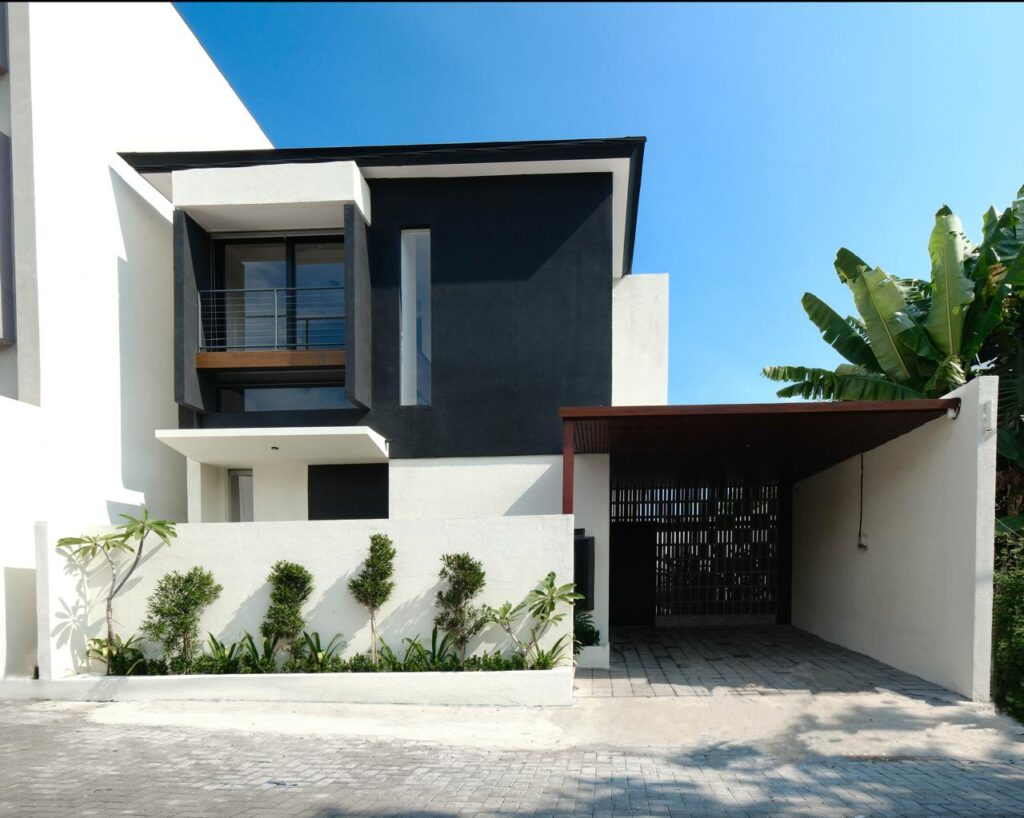
Investing in property in Bali requires a clear understanding of ownership structures, particularly leasehold and freehold. Each model offers distinct advantages depending on your investment goals, budget, and long-term strategy. In high-demand areas like Seminyak, Canggu, and Jimbaran, choosing the right structure can significantly impact both returns and flexibility.
Understanding Freehold (Hak Milik)
Freehold ownership, known locally as Hak Milik, represents full ownership of the property and land without a time limit. This is the strongest form of property title in Indonesia and is typically available only to Indonesian citizens. For foreign investors, access to freehold usually requires a legal structure such as setting up a local company (PT PMA), which introduces additional regulatory considerations.
Freehold properties are often seen as long-term, capital appreciation assets. Owners benefit from full control, the ability to pass down the property indefinitely, and stronger resale value. In premium locations like Seminyak, freehold villas tend to command higher upfront costs but offer stability and long-term equity growth.
Understanding Leasehold (Hak Sewa)
Leasehold, or Hak Sewa, grants the right to use and profit from a property for a fixed period, typically ranging from 20 to 30 years, with options to extend. This is the most common and accessible ownership model for foreign buyers in Bali.
Leasehold properties require a lower initial investment compared to freehold, making them attractive for investors focused on rental yield and shorter investment horizons. In fast-growing areas like Canggu, leasehold villas are widely used for high-performing short-term rentals targeting tourists and digital nomads.
Key Differences That Impact Your Investment
Initial Capital Requirement
Freehold properties demand significantly higher upfront capital. Leasehold allows investors to enter the market with lower financial commitment, freeing up capital for multiple investments or property upgrades.
Return on Investment (ROI)
Leasehold often delivers higher short- to mid-term rental yields due to lower acquisition costs. Freehold, while generating rental income, is typically more focused on long-term appreciation and asset security.
Ownership Duration and Exit Strategy
Freehold offers indefinite ownership, making it suitable for legacy planning and long-term holding. Leasehold requires a clear exit strategy, whether through resale before lease expiration or negotiation of an extension.
Legal Structure for Foreign Buyers
Foreign investors must navigate Indonesian property laws carefully. Leasehold is straightforward and widely used, while freehold requires compliance through corporate ownership structures, adding complexity and administrative overhead.
Resale Value and Market Demand
Freehold properties generally maintain stronger resale value due to permanent ownership. Leasehold properties depreciate as the lease term shortens, although well-managed villas in prime areas like Jimbaran can still attract strong buyer interest.
Choosing the Right Strategy
Leasehold is ideal for investors seeking high rental yields, faster returns, and flexibility. It works particularly well in tourism-driven zones such as Canggu where demand for short-term rentals remains strong.
Freehold suits investors focused on long-term wealth preservation, capital appreciation, and full ownership control. It is often preferred in established, premium locations like Seminyak, where land scarcity supports long-term value growth.
Strategic Considerations for Bali Investors
Location, target market, and investment horizon should drive the decision between leasehold and freehold. In Bali’s dynamic property market, aligning your ownership structure with your financial goals ensures optimal performance and risk management.